
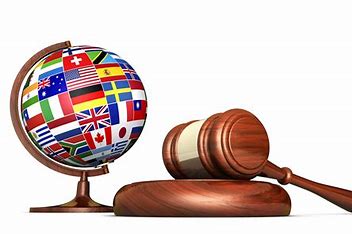
What is happening to U.S. observing international law and being the world leader in promoting international Law?
Just this week the Supreme Court rejected some very-long standing judicial rules implementing international law in the United States (Alien ort Statute, Tortue Victims Protection Act, Foreign Immunities Act). Also the International Criminal Court has filed suit against Trump in federal court in New York.
I’m not even talking about the launching a war against Iran and pursuing it in very questionable means. This has been subsequent to blowing up boats on the high seas and capturing foreign leaders and killing some. Raises many questions of international and U.S. law.
The good news is that the federal courts (and even the Supreme Court, occasionally) have provided a bulwark against some of Trump’s worst instincts and policies. A lot more to be said.
…………………………………………………………………….
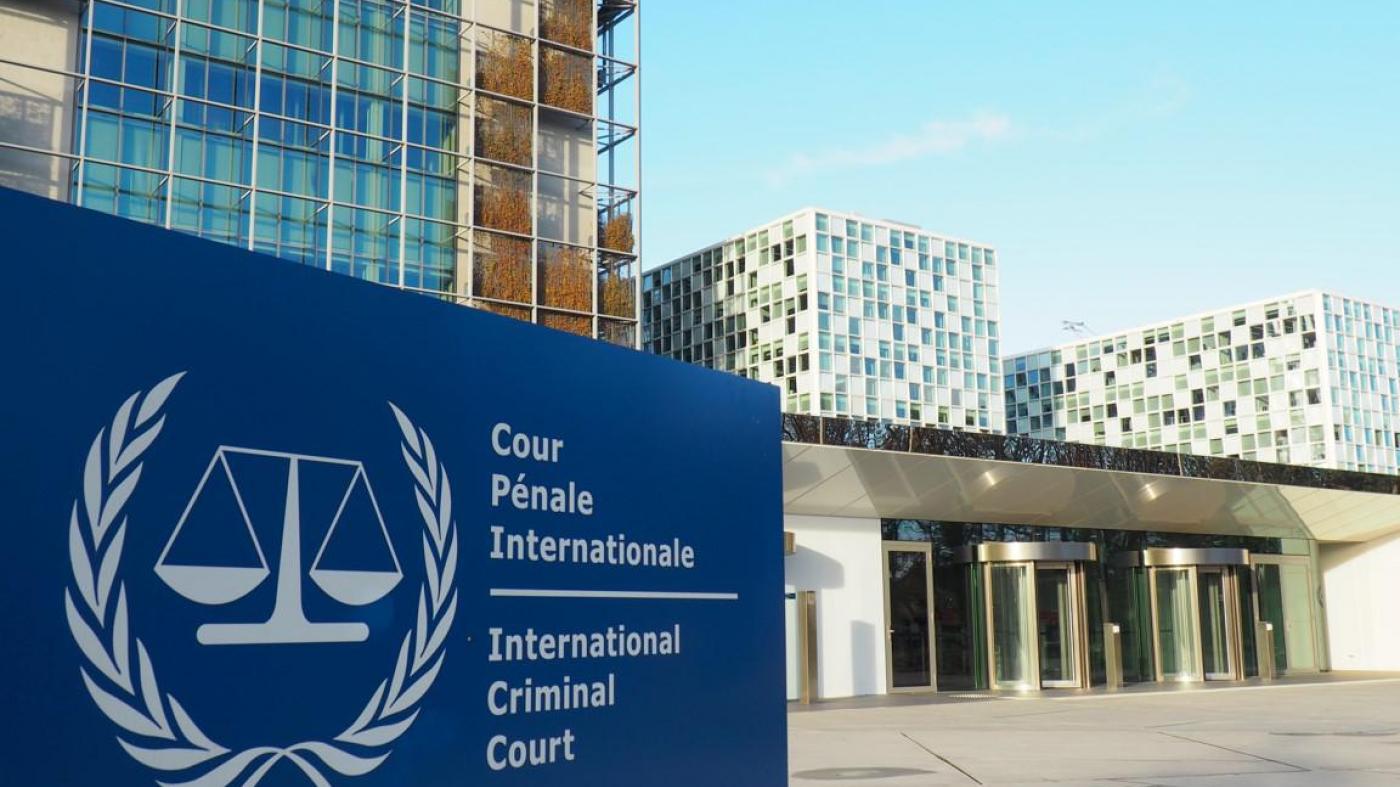
The International Criminal Court and the Trump administration have entered a new chapter after three ICC judges filed a lawsuit against the U.S. president, arguing that sanctions imposed on them crossed legal boundaries and have severely disrupted their personal and professional lives. Filed in federal court in Manhattan the lawsuit challenges sanctions introduced by the Trump administration last year against several ICC officials, marking an unprecedented attempt by sitting judges at the Hague-based court to fight back through the U.S. legal system.” “International Court Justices (ICC) Sue Trump in Federal Court.” MS Now (June 25, 2026).
“The Supreme Court ruled in Exxon Mobil v. Corporación Cimex that a lawsuit by Exxon Mobil against Cuban state-owned companies for the confiscation of assets owned by subsidiaries of the oil giant’s predecessor can go forward. Writing for the majority, Justice Brett Kavanaugh explained that the Helms-Burton Act, a federal law passed in 1996, cancels the immunity that the Cuban government and its companies would normally have, so that plaintiffs seeking to rely on that statute to sue them are not required to satisfy an exception to the Foreign Sovereign Immunities Act, a federal law that generally prohibits lawsuits in U.S. courts against foreign governments and their “agencies and instrumentalities.” “Stacking an FSIA requirement on top of the Helms-Burton Act would thwart Congress’s design and directly contravene the President’s foreign policy judgments,” Kavanaugh wrote.” “No Sovereign Immunity for Cuba under Helms-Burton Act.” Scotus Blog (June 23, 2026).
“The Supreme Court made it far more difficult for foreigners to bring lawsuits in U.S. courts alleging serious violations of international law. In an opinion by Justice Amy Coney Barrett, the justices ruled that a 1789 law, the Alien Tort Statute, on which plaintiffs have relied to bring such cases, only allows lawsuits based on the very small group of claims that Congress likely had in mind when it passed the law. The court also ruled that the Torture Victim Protection Act, a 1991 law that allows suits against individuals who subject others to torture while acting on behalf of a foreign government, does not allow lawsuits for aiding and abetting torture.” “S. Ct. Limits 1789 Alien Tort Statute and 1991 Torture Victims Protecti0on Act.” Scotus Blog (June 23, 2026).
“The US judiciary has traditionally shown forbearance to any executive action with the words “national security” before it. The same cannot be said of the home front. Although Trump has assaulted one guardrail after another — and destroyed longstanding norms — the US courts have thrown plenty of grit into his wheels. In addition to upholding the 2020 presidential election through more than 60 rulings, including by Trump-appointed judges, courts have since January 2025 blocked or tried to block hundreds of White House executive orders …. Trump has also made little progress in his judicial retribution campaign …. Public opinion is the ultimate bulwark against a rogue US presidency …. Department of Justice officials have routinely ignored court orders, or continued to pursue an action on quickly altered legal grounds …. Another check on Trump could occur in November, if Republicans lose control of Capitol Hill in midterm elections. A Democratic-controlled Congress would bury Trump in subpoenas and probably put further grit in his wheels. For the time being, the system is just about holding.” “Trump and Court System – It’s Holding.” Financial Times (June 26, 2026).


 Stuart Malawer

You must be logged in to post a comment.