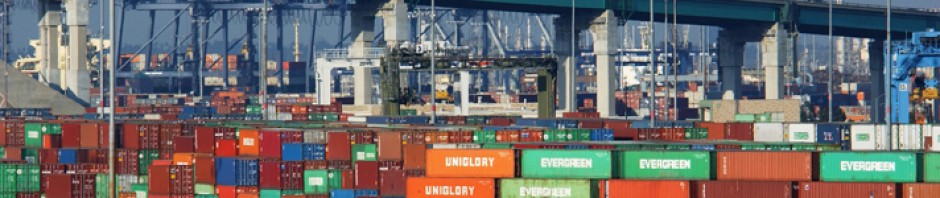

The U.S. agricultural sector benefits from historically extensive subsidies legislation as well as new legislation under the Biden administration. Exports are of great significance. Trump’s tariff wars with China caused a great number of losses that were paid back by additional federal government payments to farmers. But problems remain especially as to small and family-owned farms. Recent antitrust reviews by the government, which have been rare, have been commenced.
…. “Over time, the federal government abandoned a policy of managing production to support prices, prompting growers to become more export-oriented while local distribution networks atrophied …. The last half-decade has been more disruptive than most. First came a trade war against China under former President Donald J. Trump, which drew retaliatory tariffs that cut into U.S. exports of farm products like soybeans and pork …. That’s where the American Rescue Plan, the Inflation Reduction Act and the Bipartisan Infrastructure Law come in …. The laws have collectively provided about $60 billion to the Agriculture Department, which has parceled it out across a variety of priorities …. Another bottleneck strangling smaller farmers has been the availability of meat and poultry processors, an industry that has been consolidated under huge companies like Cargill and Tyson Foods. To fix it, the Agriculture Department has reinvigorated enforcement of long-neglected antitrust laws …. {Some are] pushing for the new funding to be continued in the coming Farm Bill. They want billions more to help transfer land from retiring farmers to small operators rather than corporations, and for the Agriculture Department to set up an Office of Small Farms to oversee it all.” “Billions in New Subsidies and Family Farms.” New York Times (June 3, 2024).



 Stuart Malawer

You must be logged in to post a comment.