

RSS Feed
-
Recent Posts
- Malawer, “Trump’s Tariffs & Refunds — Chaos.”
- UPDATE (Geopolitics & Geoeconomics): U.S. Tariffs and Refunds — The Saga Continues and Continues.
- UPDATE — Refund of Trump’s Tariffs — Really Tricky & Messy — Court Order Refunds, Now — Tariffs to Increase from 10% to 15% (More Trump Resistance).
- Global TV Interviews — Dr. Stuart Malawer (2026).
- Refund of Trump’s Tariffs — Really Tricky & Messy.
Archives
- March 2026
- February 2026
- January 2026
- December 2025
- November 2025
- October 2025
- September 2025
- August 2025
- July 2025
- June 2025
- May 2025
- April 2025
- March 2025
- February 2025
- January 2025
- December 2024
- November 2024
- October 2024
- September 2024
- August 2024
- July 2024
- June 2024
- May 2024
- April 2024
- March 2024
- February 2024
- January 2024
- December 2023
- November 2023
- September 2023
- August 2023
- June 2023
- April 2023
- March 2023
- February 2023
- January 2023
- December 2022
- November 2022
- October 2022
- September 2022
- August 2022
- July 2022
- June 2022
- May 2022
- April 2022
- March 2022
- February 2022
- December 2021
- October 2021
- August 2021
- June 2021
- May 2021
- April 2021
- February 2021
- January 2021
- December 2020
- November 2020
- September 2020
- August 2020
- July 2020
- June 2020
- May 2020
- April 2020
- March 2020
- February 2020
- January 2020
- November 2019
- September 2019
- June 2019
- April 2019
- January 2019
- November 2018
- October 2018
- September 2018
- June 2018
- May 2018
- March 2018
- February 2018
- January 2018
- December 2017
- November 2017
- October 2017
- September 2017
- August 2017
- July 2017
- June 2017
- May 2017
- April 2017
- March 2017
- February 2017
- January 2017
- December 2016
- November 2016
- October 2016
- September 2016
- August 2016
- July 2016
- May 2016
- April 2016
- March 2016
- February 2016
- January 2016
- December 2015
- November 2015
- October 2015
- September 2015
- August 2015
- July 2015
- June 2015
- May 2015
- April 2015
- March 2015
- February 2015
- January 2015
- December 2014
- November 2014
- October 2014
- September 2014
- August 2014
- July 2014
- June 2014
- May 2014
- April 2014
- March 2014
- February 2014
- January 2014
- December 2013
- November 2013
- October 2013
- September 2013
- August 2013
- July 2013
- June 2013
- May 2013
- April 2013
- March 2013
- February 2013
- January 2013
- December 2012
- November 2012
- October 2012
- September 2012
- August 2012
- July 2012
- June 2012
- May 2012
- April 2012
- March 2012
- February 2012
- January 2012
- December 2011
- November 2011
- October 2011
- September 2011
Categories
Meta
-
New U.S. – China Trade Litigation in the WTO — Active Trade Litigation Continues.
Yesterday the Obama administration filed yet another action against China in the WTO dispute resolution system. This complaint involves China’s antidumping and countervailing duties on the import of poultry from the U.S. This filing continues the aggressive enforcement actions first initiated during the Bush administration and built upon by the Obama administration. It’s a good idea to enforce global rules of trade. It’s also a good idea to settle trade disputes in a legal forum and not fight them out in newspapers, where they can spin out of control. I’ve recently reviewed the 10-year history of U.S.-China litigation in the WTO. I concluded that both countries actually enforce adverse rulings fairly diligently. That’s good for the United States, China and the global trading system. United States-China WTO Litigation (2001–2010)
International Investment — Federal and State Action Required to Create Jobs.

The authors of a new Council of Foreign Relations study on U.S. trade and investment policy states, “(T)he U.S. must, for the first time in its history, take serious measures to attract international investment …. (F)ederal, not just state-led, efforts to court foreign investors” are required for U.S. job creation. A. Card, T. Daschele, E. Alden and M. Slaughter, “A Pro-Trade Agenda for U.S. Jobs.” Wall Street Journal (September 17, 2011).They also recognize the great importance of multinationals in creating more jobs. The new study is entitled “U.S. Trade and Investment Policy” (Council on Foreign Relations Report, Sept. 2011). Finally, proposals are being made that are really useful. Let’s see what happens.
Posted in Global Trade Relations
Tagged CFR, Council on Foreign Relations, FDI, jobs, MNC, trade and investment
Leave a comment
Foreign Investment, State Economic Development and Removing Disincentives — Very Necessary.

States need to follow an aggressive economic development policy focusing on attracting Foreign Direct Investment (FDI). States ought to assess their business and regulatory environments to ensure equal treatment for foreign corporations. The federal government ought to remove unnecessary legislative and regulatory barriers to foreign investment in the name of national security that promotes protectionism. The federal government should promote greater use of bilateral investment and tax treaties to encourage greater foreign investment. Foreign corporations and sovereign wealth funds have the money and desire to invest in the U.S., which is good for the U.S. job market.
Trade Policy Under the U.S. Constitution — Is Congressional Supremacy Still Justifiable?

Stuart S. Malawer — Three International Law Books (Hein & Co.)
Trade policy today is central to foreign policy. It is also crucial to domestic policy. The U.S. Constitution gave the job of regulating trade exclusively to Congress under Article 1, Section 8, Clause 3. But this was late in the 18th century, when trade was barely more than setting customs duties. Not of great popular concern. The Constitution gave great powers to the President in foreign affairs and they grew greatly over the next two centuries. This is the problem. In the 21st century trade has emerged as one of the most important foreign policy and domestic policy issues. Yet, the structural context of dealing with it is dated. What needs to be done? Once trade was considered a bipartisan concern or even nonpartisan. We need to turn back to this attitude. Doesn’t seem very likely.
Trade Policy is Now Foreign Policy — Historical Growth in Importance.
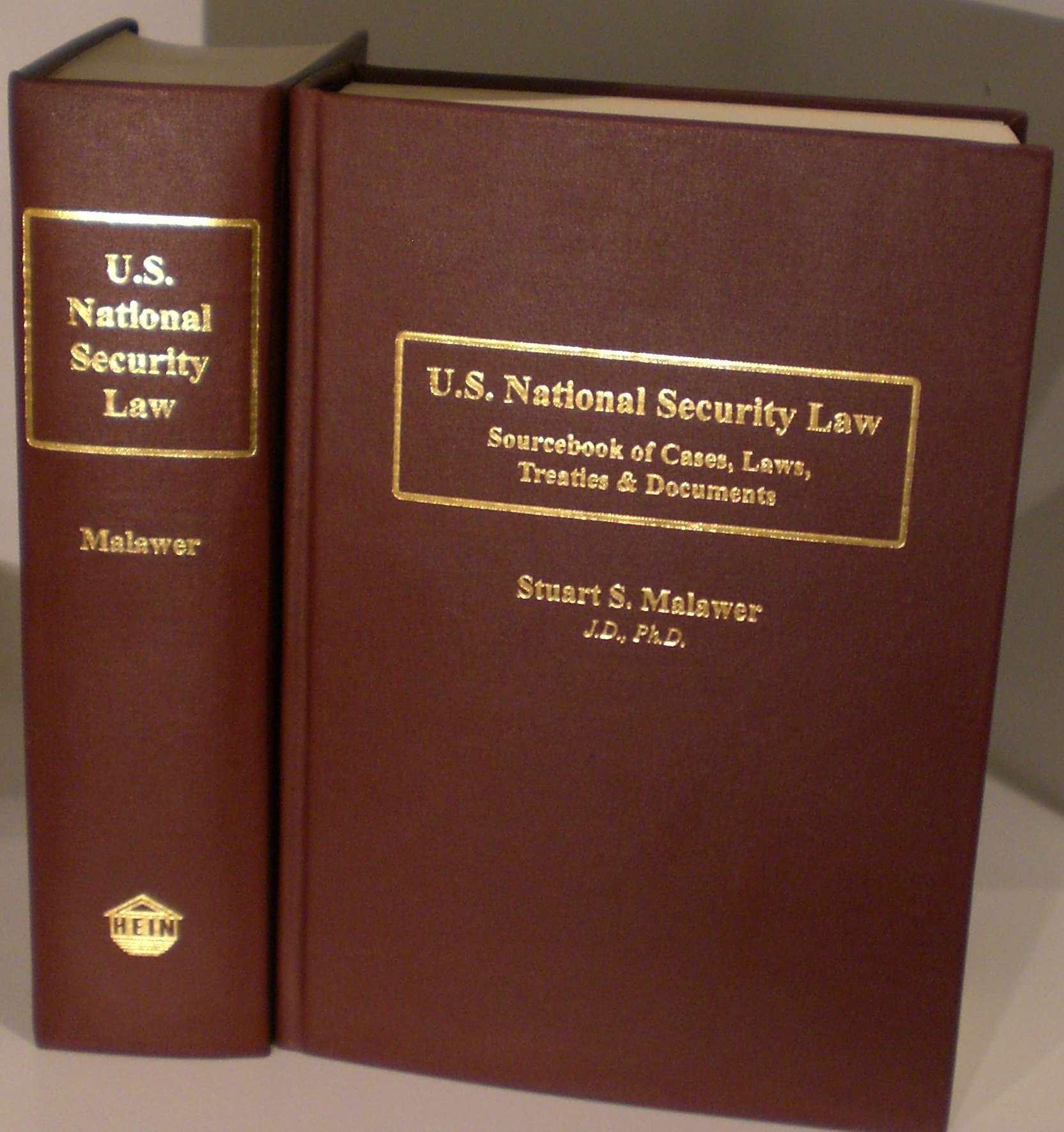
- Stuart S. Malawer — U.S. NATIONAL SECURITY LAW (2009)
Trade policy today is central to foreign policy. It is also crucial to domestic policy. The U.S. Constitution gave the job of regulating trade exclusively to Congress under Article 1, Section 8, Clause 3. But this was late in the 18th century, when trade was barely more than setting customs duties. Not of great popular concern. The Constitution gave great powers to the President in foreign affairs and they grew greatly over the next two centuries. The problem is this. In the 21st century trade has emerged as the most important foreign policy and domestic policy issue. Yet, the structural context of dealing with it is dated. What needs to be done? Once trade was considered a bipartisan concern or even nonpartisan. We need to turn back to this attitude. Is this likely? Not sure.
Trade Linked to Investment by China — The New High Politics?
China has recently linked investment into the EU to help solve its debt crisis, to trade demands. In particular, China wants the EU to reclassify China as a “market economy” for purposes of trade remedy litigation under the rules of the WTO. Specifically, this demand would require dropping the “constructive approach” utilizing third-market prices in determining the home market-price of goods in China, in favor of actual prices in China. This proposal would make it much harder for the EU to impose unilaterally antidumping duties under the WTO rules of global commerce. This development clearly illustrates the rising importance of trade to investment decisions in the context of high politics between major trading states. As if we really needed another example. Even the National Intelligence Council concluded last year that strategic rivalries in the future are most likely to revolve around trade and investment disputes.
Multinational Tax Proposals — From Global to Territorial?
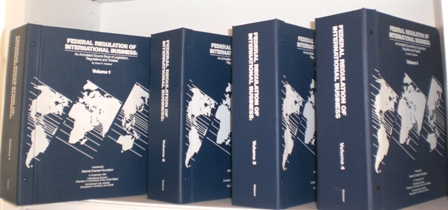
Stuart S. Malawer, FEDERAL REGULATION OF INTERNATIONAL BUSINESS (U.S. Chamber of Commerce)

 Stuart Malawer
 U.S. LAW & GLOBAL TRADE RELATIONS.
You must be logged in to post a comment.