
U.S. trade decisions continue to reflect domestic politics rather than basic economics. The proposal to do away with (or extremely limit) the “De Minimis Exception” for tariffs on imports from China (primarily impacting low-cost fashion from Temu and Shein) impacts U.S. consumers. Especially younger and less affluent ones. This only provides less competition to high-priced U.S. products. This exception to tariffs (no tariffs on imports of less than $800) was enacted in 1930, during the Great Depression. This was to encourage global trade — away from much more restrictive and protectionist legislation of that era. This was one of the earliest pieces of legislation that, in fact, countered the protectionist policies of that era (early 1930s that spurred on the Great Depression).
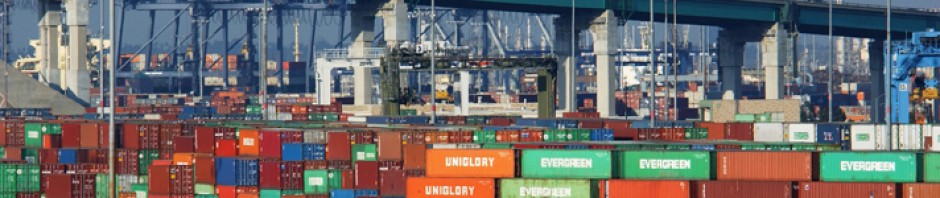
“Major American retailers including Amazon and Walmart have been quietly exploring shifting toward a business model that would ship more goods directly to consumers from Chinese factories and require fewer U.S. workers in retail stores and logistics centers …. Rising competition from Shein, Temu and other Chinese companies is pushing many major U.S. retailers to consider shifting to a similar model to qualify for an obscure, century-old U.S. trade law, according to several people familiar with the plans. The law, known as de minimis, allows importers to bypass U.S. taxes and tariffs on goods as long as shipments do not exceed $800 in value …. To bring goods into the United States, retailers have traditionally arranged for shipping containers full of products to arrive from China at U.S. ports. Those goods would then be trucked to a company’s and retail stores warehouses (factory-to-warehouse-to-retail) before being sold to consumers …. The newer China model (factory-direct to-consumer) has taken off since the Trump administration in 2018 and 2019 imposed tariffs on many Chinese goods that retailers brought to the U.S. through traditional channels.” “New Tariff Rules and Direct Retail Shipping.” New York Times (Sept. 16, 2024).
“The Biden administration announced new steps on Friday to curtail what it calls the “overuse and abuse” of a longstanding trade law that permits low-value shipments to enter the United States without paying import duties and processing fees …. The steps include a new rule proposal, which would bar overseas shipments of products that are subject to U.S.-China tariffs from being eligible for the special customs exemption …. Known as the de minimis loophole, the trade provision allows packages with a value of less than $800 to enter the United States with relatively little scrutiny. Over the past decade, the number of de minimis shipments has exploded, from roughly 140 million to more than a billion …. Each individual package is typically worth far less than $800, and thereby qualifies for the de minimis exemption. But new eligibility restrictions for products that are subject to tariffs under Section 301, Section 201 and Section 232 — like the ones proposed Friday — could upend this business model. Since approximately 70% of Chinese textile and apparel imports are subject to section 301 tariffs, this step will drastically reduce the number of shipments …. An obscure tariff law loophole passed by Congress in 1930 – the de minimis exemption landed in the White House’s crosshairs again.” “Biden Targets Shein and Temu.” CNBC (Sept. 13, 2924).
“The White House proposed new rules that would exclude a wide array of goods from being able to claim the exemptions, which extends to shipments of less than $800 in value. The proposed regulations will also make claiming duty free status more complex. The US said the number of shipments entering the country via the de minimis rule had jumped from about 140mn a year a decade ago to more than 1bn a year today …. The Biden administration’s proposed rules, which will go through a public comment period before being finalized, threaten the business model that the Chinese groups have used to undercut and gain market share from online retailer Amazon. Amazon sellers typically ship their goods in bulk to its warehouses, forcing them to pay import taxes, which became more expensive during the Trump administration when a large swath of Chinese imports were hit with higher tariffs. The new US rules aim to ensure products that ship direct-to-consumer cannot avoid the higher duties.” “Temu and De Minims.” Financial Times (Sept. 13, 2024).
“Both Democrats and Republicans have turned away from emphasizing the benefits of freer trade to criticizing the role that Chinese imports have played in hollowing out American manufacturing and damaging communities centered around those factories …. One of the measures the Biden administration proposed would drastically limit a trade rule, called de minimis …. The trade rule allows packages to be shipped from foreign countries directly to consumers or businesses without paying tariffs, as long as the shipments do not exceed $800 per recipient per day. The new proposal would strip that exemption from a wide array of products …. The Biden administration on Friday also published a long-awaited review of the tariffs that the Trump administration placed on more than $300 billion worth of Chinese goods beginning in 2018 …. As part of the review, the Biden administration said it was adding or increasing tariffs on additional products from China, including electric vehicles, battery parts, medical gloves, graphite, semiconductors and other goods. Those levies will go into effect on Sept. 27 …. The Information Technology Industry Council, a trade association for technology firms, said the additional tariffs on chips and other electronics would cause more disruption and instability in global supply chains …. The de minimis provision stems from a century-old trade law and was originally intended for shipments that would be too trivial to require scrutiny from U.S. customs officials …. In recent years, online companies like Shein — and some sellers of Chinese goods on Amazon — have used the provision to gain market share in the United States, shipping cheap clothing and other items directly from Chinese factories to consumers’ doorsteps. In addition to bypassing tariffs, the companies can eliminate costs for warehousing in the United States …. The Retail Industry Leaders Association, a trade group that includes Home Depot, Target, Dollar General and others, praised the move …. Groups including the U.S. Chamber of Commerce and shippers like FedEx and UPS have opposed the changes to de minimis proposed by lawmakers. The National Foreign Trade Council, which lobbies on behalf of major importers, has argued that getting rid of de minimis would create more work for Customs and Border Protection …. An economic study released in June found that eliminating de minimis entirely would result in costs of $12 billion to $14 billion for American consumers. (The Biden administration’s move will only narrow the exemption, not eliminate it.)” “New Tariff Report and De Minimis.” New York Times (Sept. 14, 2024).


 Stuart Malawer
 U.S. LAW & GLOBAL TRADE RELATIONS.
You must be logged in to post a comment.