
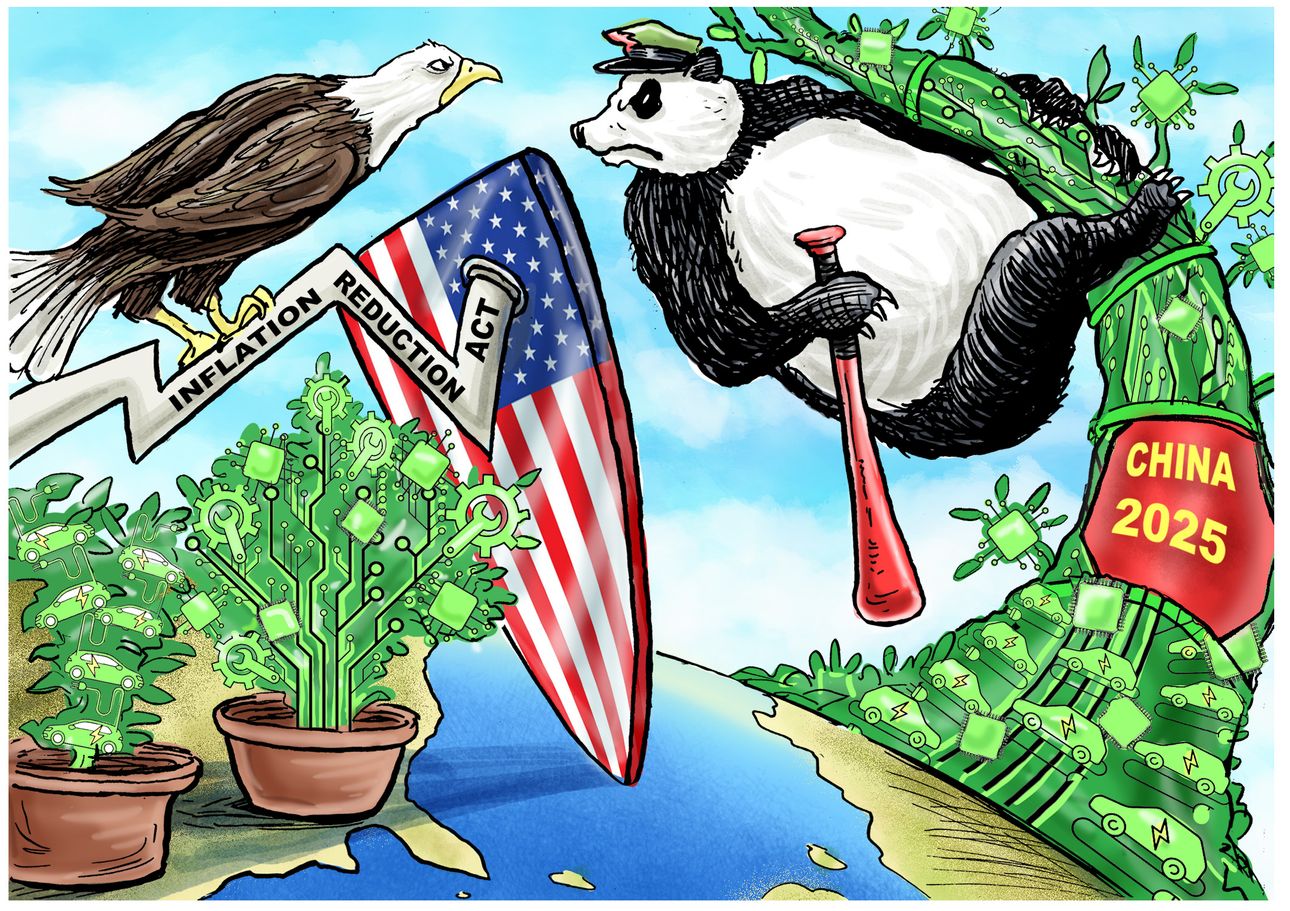
Real Estate and chips — Have become the new battleground in the U.S. — As both the federal government and states are enacting rules and legislation restricting Chinese ownership on grounds of national security. The Biden administration, the Congress and states have all been increasingly active in this rapidly expanding area of restrictions. Demands have also been made to adjust U.S. customs regulation as well as to impose higher tariffs generally.
“The US and Japan are close to a deal to curb tech exports to China’s chip industry …. The White House wants to unveil new export controls before November’s presidential election, including a measure forcing non-US companies to get licenses to sell products to China …. The US export controls are designed to close loopholes in existing rules and add restrictions.” “US – Japan Deal on Chip Export Restrictions.” Financial Times (Sept. 18, 2024).
“The Biden administration is seeking to broaden its powers significantly to block foreign investments by making it harder to buy land near military bases …. The Treasury Department proposed a new rule that would add more than 50 military installations across 30 states to a list of locations it has deemed sensitive to national security. A 2018 law that gave the Committee on Foreign Investment in the United States the ability to block foreign land purchases …. CFIUS plays an integral role in U.S. national security by thoroughly reviewing real estate transactions near sensitive military installations …. Biden issued an order that forced a Chinese-backed cryptocurrency firm to divest from a property that it owned near a Wyoming nuclear missile base …. A Treasury Department official declined to say whether the new rules could affect a $2.4 billion manufacturing facility that Gotion, a Chinese electric vehicle battery producer, is building in Green Charter Township, Mich …. The Biden administration is also reviewing Nippon Steel’s acquisition of U.S. Steel, which Mr. Biden has made clear that he does not want to happen. The proposed real estate rules are unlikely to affect that review, which would be based on national security concerns that go beyond the location of the real estate that the Japanese company would be acquiring …. Dozens of states have been working on their own initiatives to curb foreign investments out of concern that the federal government has been too lenient. A new law in Florida is the most far-reaching, effectively prohibiting most Chinese individuals without a green card from purchasing residential property.” “New Rule Limit Land Purchases by China.” New York Times (July 9th, 2024).
“Nvidia is on course to sell $12bn worth of artificial intelligence chips in China this year despite US export controls … Nvidia is the latest Silicon Valley company to find itself entangled in tensions between Washington and Beijing. The Biden administration wants to stem the flow of the world’s most powerful chips to China.” “Nvidia to Sell AI Chips to China Despite US Export Controls.” Financial Times (July 5th, 2024).
“Temu and Shein are able to charge low prices partly by shipping items (“Fast Fashion”) in small packages direct to consumers, thereby avoiding customs duties. The EU, US, and UK apply “de minimis” rules which set a monetary threshold below which imported items are able to avoid duties …. America politicians have been considering lowering or removing its generous $800 ceiling too …. Shein and Temu have simply honed a business model to take advantage of what is a legal …. China’s ecommerce giants need to be coaxed and cajoled into respecting product safety and labor standards if they want to sell goods in western markets. But lifting duty exemptions is a blunt tool.” “Parcel Wars , ‘De Minimis” and Tariffs.” Financial Times (July 5, 2024).
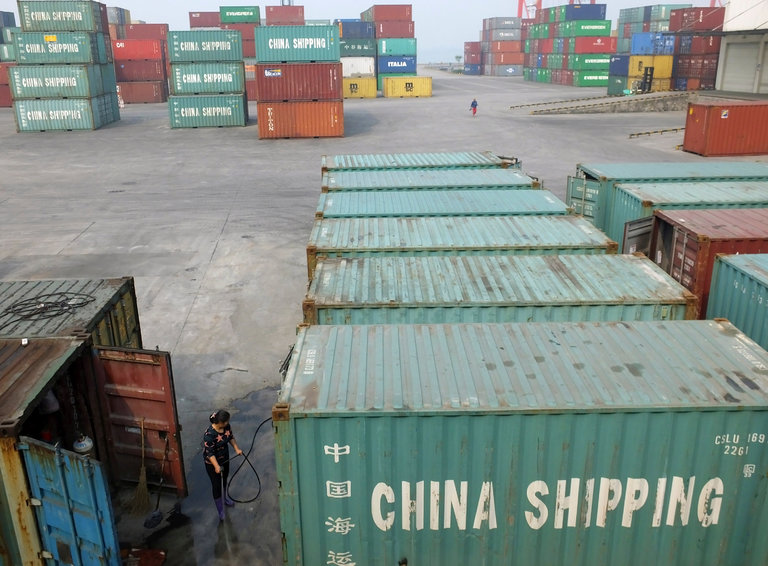
“Biden administration has imposed new tariffs on Mexican imports that use steel or aluminum from China (under Section 232[b] of TEA 1962), in hopes of stopping the metals from entering the U.S. duty free. The U.S. will levy a 25% tariff on Mexican imports containing steel from China and a 10% duty on products made with aluminum. Products from Mexico typically enter the U.S. duty free as part of a trade agreement with Canada and Mexico. Steel and aluminum must be melted and poured in the U.S., Mexico or Canada to qualify for duty-free treatment. “New Tariff Rules on China Steel and Aluminum from Mexico.” Wall Street Journal (July 10, 2024).


 Stuart Malawer
 U.S. LAW & GLOBAL TRADE RELATIONS.
You must be logged in to post a comment.