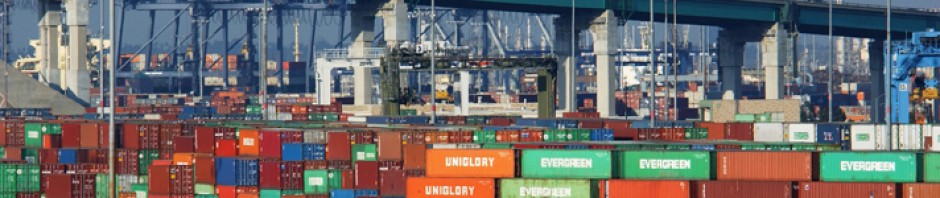
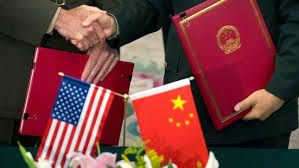
It has become evident recently that national security has become a major driving-force in formulating U.S. economic policy generally (semiconductor subsidies) and in particular U.S. trade policy (including proposals for related climate change issues, international digital taxation, supply chain security and revitalizing domestic industries). So it is no surprise that the National Security Council has become a major player in formulating trade policies. And in particular, the Deputy National Security Adviser for Economic Affairs has taken the lead,
This development clearly got a jump-start with President Trump (trade and tariff wars) and has continued to gain momentum during the Biden administration (newer restrictions on both China and Russia). However, this is particularly the case with U.S. – China trade relations (newer tariff and investment restrictions) but includes trade relations with the EU (battery and EV subsidies) and Japan (proposed Nippon Steel and U.S. steel merger).
A good article discussing a particularly interesting issue is the rising role of the Deputy National Security Adviser at the National Security Council, trade policy and trade negotiations. This appeared in today’s New York Times. Here are a few excerpts from this timely article.
- Leading the way for the administration is Mr. Pyle, an under-the-radar aide on the National Security Council who is leaving the administration at the end of this month after more than three years in the White House. Mr. Pyle played an outsize role in putting in place and selling Mr. Biden’s vision of global economic cooperation and confrontation to often-skeptical allies.
- Pyle’s tenure as deputy national security adviser for international economic affairs included putting together some operational details of an untried effort to restrict Russian revenues from global oil sales. It spanned a range of administration attempts to forge a global alliance to outcompete China.
- The deputy national security adviser for international economic affairs leads negotiations on declarations at international summits, often working months in advance to smooth over disagreements with allies.
- Biden, he said, “is advancing a new model for today’s challenges, and one that tests old rules with new types of solutions. That’s hard.”
“Biden’s Global Economic Policy.” New York Times (Feb. 21, 2024)
My newer article ……Malawer, “Under Trump and Biden has the US Become a Protectionist and National Security Trading State?” (SSRN 2024). To be published May 1st in China and WTO Review (Korea).

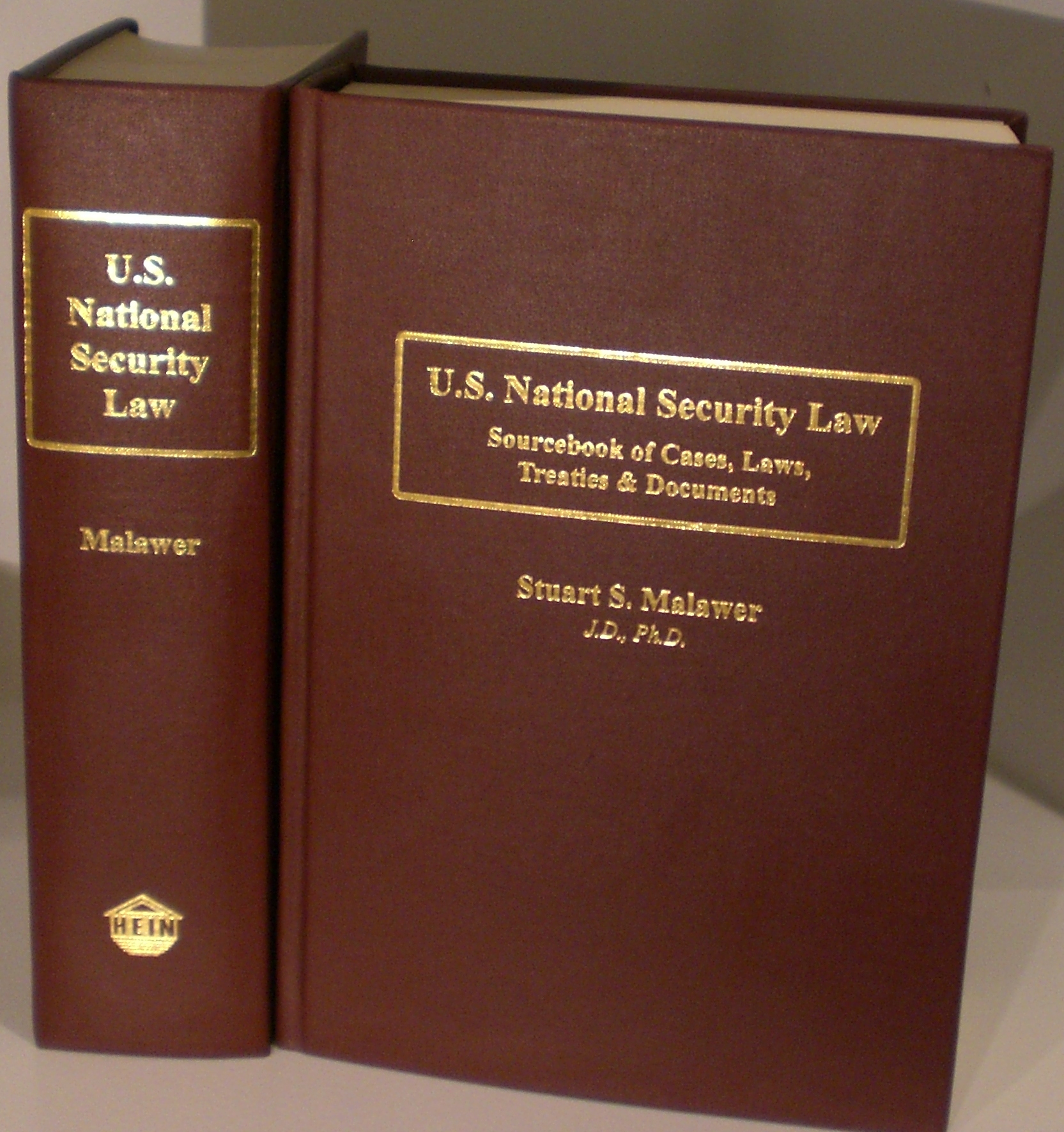


 Stuart Malawer
 U.S. LAW & GLOBAL TRADE RELATIONS.
You must be logged in to post a comment.